Reflections From Jury Duty: A Civic Duty In Action
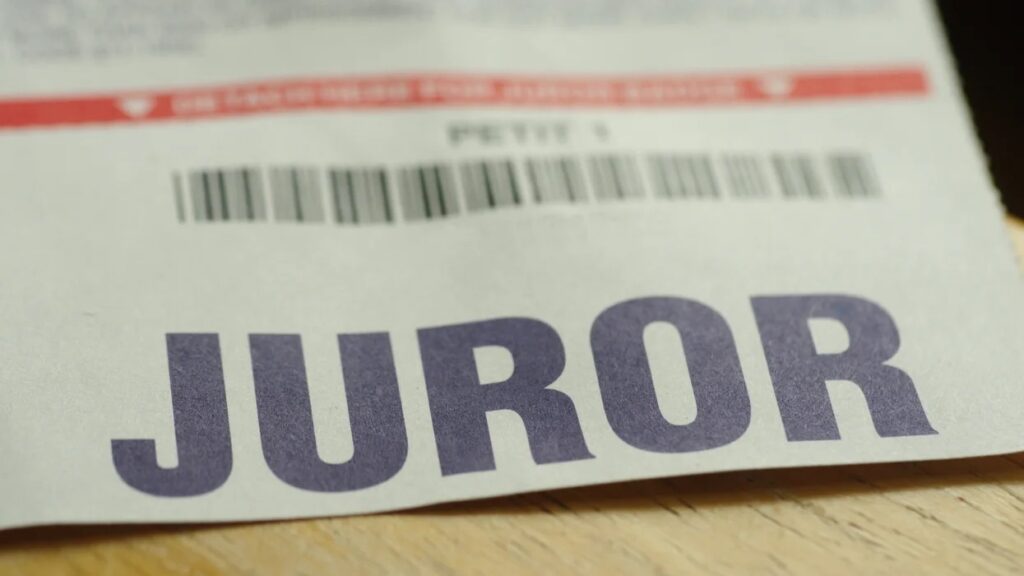
A few weeks ago, I received a summons in the mail that many people dread—jury duty. I’ll admit—I felt the same mix of curiosity and hesitation that many people do. Would I actually get selected? Would I be stuck in a courtroom for days? Most importantly, would my presence really make a difference?
Serving as a juror for the first time turned out to be an experience that challenged my assumptions about our justice system and reinforced something I already knew from my work in civic engagement: democracy only works when people show up.
Jury Duty: A Civic Duty Beyond the Ballot Box
We often think of democracy in terms of elections—registering to vote, showing up on Election Day, and holding our leaders accountable. But serving on a jury is another crucial piece of the puzzle. The Sixth Amendment guarantees the right to a trial by an impartial jury, ensuring that decisions about guilt, innocence, and justice are made not by a single authority, but by a group of everyday people. Jury duty isn’t just an obligation—it’s a critical check on the power of the legal system.

Much like voting, if only certain groups of people participate, the system becomes unbalanced. If juries don’t reflect the diversity of our communities, can we really call it “a jury of one’s peers”? By showing up, we all — including young people — can ensure that different perspectives, lived experiences, and generational insights are represented in courtrooms across the country.
What Serving on a Jury Taught Me
Going through the jury selection process and ultimately serving as a juror taught me a few key things that I think every young person should know before their first jury duty experience:
- You might not get selected—but you should still show up. Many people who receive jury summonses never actually serve on a case. Still, being part of the jury pool ensures that the system has a diverse group of people from which to choose.
- The selection process (voir dire) is fascinating. The judge, with input from the lawyers, asks potential jurors questions to determine if they can be impartial. You might be excused for various reasons, but if you’re chosen, you play a critical role in the outcome of a case.
- The experience is different from TV shows. Courtroom proceedings are often slower and more methodical than what you see on legal dramas. While Ally McBeal and Annalise Keating live rent-free in my mind, real cases involve deep deliberation, strict adherence to the law, and careful evaluation of evidence.
- Your role is to be fair and objective. As a juror, you are not there to act on emotions or personal opinions—you are there to evaluate evidence and apply the law as instructed.
A Right That Must Be Defended
Juries weren’t always designed to be fair. For much of U.S. history, Black Americans, women, and other marginalized groups were systematically excluded from juries, just as they were denied the right to vote. It took years of legal battles and civil rights activism to ensure that juries are truly representative. Today, that fight continues. Just as voter suppression remains a barrier to democracy, inequalities in the justice system persist—including in jury selection. While the justice system may be imperfect and even harmful, showing up and participating as a juror is one way to push for fairness in a system that often lacks it. Ultimately, showing up for jury duty doesn’t mean endorsing the system as it exists—it means engaging with it critically, seeking fairness, and doing what you can to prevent harm. If people who understand the flaws in the justice system opt out of jury service, that leaves only those who may be uncritical of the legal system, including law enforcement, prosecution tactics, and systemic bias in the jury box. And that is exactly how injustice continues.
My experience reminded me that democracy is strongest when people show up—not just at the polls, but also in courthouses, city halls, and community meetings.
So, the next time you receive a jury summons, try not to see it as an inconvenience, although it can take up a lot of your time and energy. See it as an opportunity—one that gives you the chance to uphold one of the most fundamental principles of justice: the right to a fair trial. Because real democracy doesn’t just happen once every four years—it happens every day, in ways both big and small. And sometimes, it happens at jury duty.
 About The Author
Mo Banks is the Director of Communications at The Andrew Goodman Foundation. Mo has been a digital communication specialist for the past seven years, working for a variety of non-profits in the progressive movement space.